


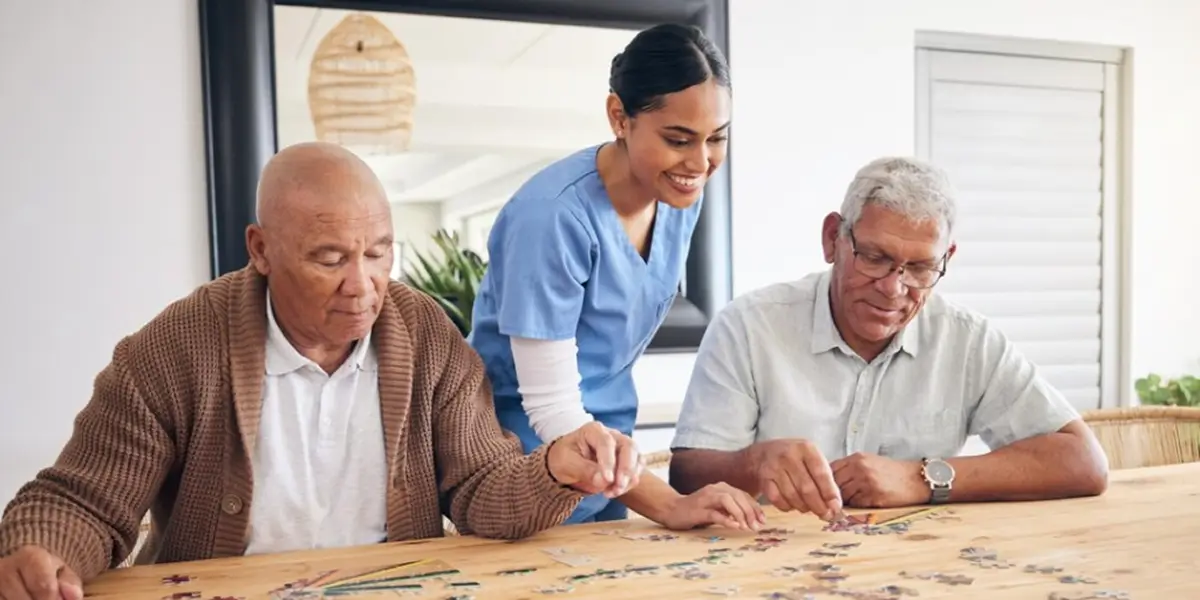
Seniors are increasingly experiencing social isolation and loneliness, which are major health risks. Social isolation and loneliness have negative health effects that are often unrecognized, ranging from an increased risk of heart disease, depression, cognitive decline, and even early death. Solving the issue of social isolation requires more than recognition. It requires being proactive in developing strategies and initiatives that promote connection and engagement. Companion caregivers and professional in home senior care services play a significant role in achieving these goals.
Understanding the Impact
Social isolation and loneliness can have an extreme impact on seniors. Many studies have shown that those who are separated from others or feel as though they are alone will be at a higher risk for a variety of health issues, both physically and mentally. Loneliness has been associated with increased chances of having high blood pressure, developing infections/increased susceptibility to infections, and sleep disorders. In addition to these physical health impacts, individuals suffering from loneliness have also been found to have depression, anxiety, and reduced cognitive function. This highlights the importance of reliable elder care services to support both emotional and physical well-being.
Bridging the Gap
Companion caregivers are an excellent source of bridging the gap between reducing social isolation and loneliness for seniors. In addition to providing companionship through being with their clients, companion caregivers provide emotional support to their clients. Companion caregivers also provide seniors with the opportunity to connect with their community and/or family in a meaningful way. This is especially important for individuals receiving in home care for dementia, where consistent social interaction can help slow cognitive decline.
- Outings and Social Activities: One way caregivers may help seniors participate in outings/activities is to help with transportation, as well as assist them by being there for moral support. These outings can vary from attending community activities to taking a walk in the park, but can be a great source of social engagement and interaction with the community.
- Communication Aids: With today’s technological advances, being able to connect with family and friends electronically is easier than ever. Caregivers can assist by helping seniors navigate social media platforms and assist them in using technological tools to communicate (such as video calls and emails). For those preferring traditional methods, caregivers can also help them write letters or make phone calls, which can be especially helpful for individuals supported by Alzheimer’s caregivers .
- Encourage hobbies/interests: Encouraging seniors to pursue hobbies and engage in their interests can create new friends and connections. Caregivers can support them by providing logistical help as well as encouragement to participate in clubs or groups that are geared toward their interests.
- Educating on technology use: For many seniors, the inability to access the internet and/or technology can create a sense of isolation. Companion care aids can teach seniors the basics of how to use smartphones, tablets, or computers, allowing for the use of the internet, social media, or participation in virtual meetings/events.
Companion Caregiver’s Role in Combating Social Isolation:
Companion caregivers matter in the fight against social isolation because they provide much more than just companionship - they use a holistic approach when caring for a client’s health. This includes acknowledging that having social connections is a major influencer of one’s overall health.
Companion caregivers, offering 24 hour home care services , provide many different ways to help build connections with others. Examples include providing transportation for activities outside of the home and assisting with the use of electronic devices to connect with others.
Companion caregivers are playing an even greater role as we respond to the growing issue of social isolation experienced by older adults. Through their continued commitment to supporting their clients to provide opportunities for more social engagement, companion caregivers are not only enhancing the quality of life for their clients but also potentially saving lives. Families searching for reliable home care State College or home care Altoona services should choose providers who focus on both emotional and social well-being of seniors.
Join Us in Making a Difference
Become part of a team dedicated to improving lives.