
Therapy and wellness consultation environment

Blogs

Welcome to the Gentle Aid Home Care Blog - a trusted resource for seniors, families, and caregivers. Explore expert insights on senior care, disability support, dementia home care, daily living assistance, caregiver tips, and 24-hour home care.

Senior Care

The Importance of Fall-Injury Prevention in Senior Care

Falls are a leading cause of injury among older adults, significantly impacting their health, mobility, and independence. The consequences of falls can be severe, ranging from minor bruises to more serious fractures and head injuries. However, many of these incidents are preventable with the right strategies and support. This is where the crucial role of fall-injury prevention comes into play, especially within the realm of companion care.

Personal Care

Successful Medication Adherence Tips for the Elderly

Taking medication according to a doctor's orders, otherwise known as medication adherence, is critical to managing a person's health condition. This is especially true for older adults, who may live alone or have other limitations. Managing medications can be frustrating due to complicated prescriptions, impairments that limit someone’s ability to get or comprehend the medication, and how they go about obtaining their prescriptions via electronic means instead of face-to-face visits. For families who utilize in-home care for seniors, caregivers can provide valuable support with medication reminders and adherence. It is important that there are initiatives to support adherence to medication use, and some of these programs are supported by companion caregivers. Below are some helpful suggestions on effectively managing adherence to medications:

Alzeimers

The Power of Cuing in Supporting Seniors with Cognitive Decline

A senior’s cognitive decline could hinder him/her from completing daily tasks, making them feel frustrated and less independent. Often, seniors can benefit from the use of cueing strategies when confronted with these challenges, as they are able to remain skilled in performing day-to-day tasks and successfully manage their own behaviours, resulting in the development of a sense of self-efficacy. Cuing is a gentle prompting technique that is commonly used by companion caregivers to assist clients with cognitive impairment through activities, guiding clients towards independent actions while maintaining their dignity.

Dementia

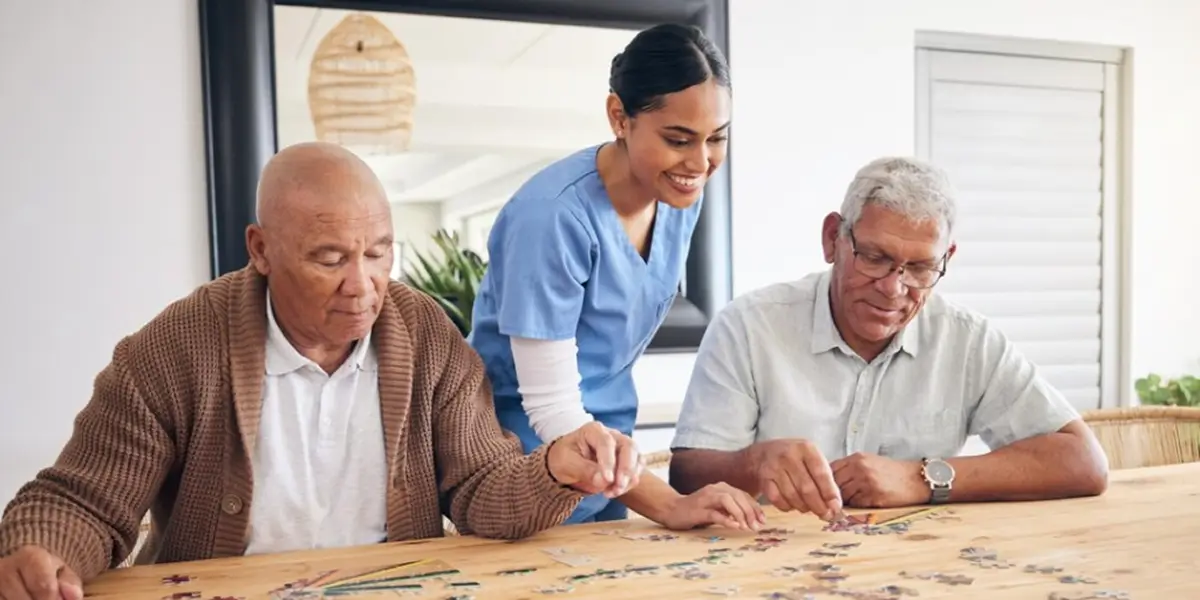
Games and Activities Proven to Improve Mental Acuity for Seniors

There are a number of different types of games and activities that can improve the mental acuity and cognitive functioning of older adults when taken in a systematic manner, thus improving both their overall well-being and their quality-of-life. Families searching for reliable home caregivers in Altoona, PA, can trust Gentle Aid Home Care for personalized and professional support.

Dementia

Supporting an Elderly Loved One with Dementia: Practical Tips

Caring for elderly loved one with dementia presents unique challenges, requiring patience, understanding, and a proactive approach to their changing needs. Dementia affects cognitive functions, including memory, communication, and the ability to perform everyday tasks, making compassionate care and support essential. Here are practical tips for helping your loved one, including how companion caregiver services can be an integral part of the care plan.

Senior Care

Combating Social Isolation and Loneliness Among Seniors

Social isolation and loneliness have emerged as significant health risks, particularly among the senior population. These issues, often overlooked, carry surprising and severe health consequences, including increased risks of heart disease, depression, cognitive decline, and even premature death. However, addressing social isolation requires more than just acknowledging its presence; it involves proactive strategies to foster connectedness and engagement. This is where companion caregivers can play a strong role.

Care giver

Getting Out and About: The Role of Companion Caregivers

In the realm of companion care, caregivers play a pivotal role in not just the day-to-day life of their clients but also in enhancing their quality of life through increased mobility and social contact. For many seniors and individuals with limited mobility, having a companion caregiver means more than just having someone to talk to at home; it's about having the support needed to engage with the world outside their doorstep.

Care giver

Understanding and Addressing Real Caregiver Fatigue

Caregiver fatigue presents itself as physical, emotional, and mental exhaustion from providing in home care services for someone very close to you. Family caregivers can develop caregiver fatigue almost without realizing it due to the long-term intensity of their caregiving responsibilities, especially in the absence of relief or support. When the family caregiver reaches a point of caregiver fatigue that they can no longer perform the role of caregiver for their family member, their situation is most likely not viable. Unfortunately, by this time, it may be too late for you to intervene in a way to reinstate the original caregiver arrangement.

Personal Care

Staying Active in Late Retirement: The Role of Companion Caregivers

Maintaining an active lifestyle is crucial at any age, but it becomes even more important in late retirement. Physical activity contributes significantly to health and well-being, helping to manage weight, reduce the risk of chronic diseases, enhance mobility, and improve mental health. However, finding the motivation and means to stay active can be a challenge for many seniors, especially those living alone.

Senior Care

Effective Communication Strategies with Seniors Facing Hearing Loss

Hearing loss is a common issue among the elderly, affecting their ability to communicate effectively and maintain social connections. It can lead to misunderstandings, frustration, and isolation, significantly impacting their quality of life. However, with thoughtful approaches and adaptive communication strategies, it’s possible to bridge the gap hearing loss creates. Here are some effective ways to enhance communication with seniors facing hearing challenges, highlighting how companion caregivers can play a crucial role in this process.

Let’s Talk With Us

Whether you’re ready to schedule your first appointment or have questions, we’re here to help.

+1

Join Us in Making a Difference

Become part of a team dedicated to improving lives.

Join Now