


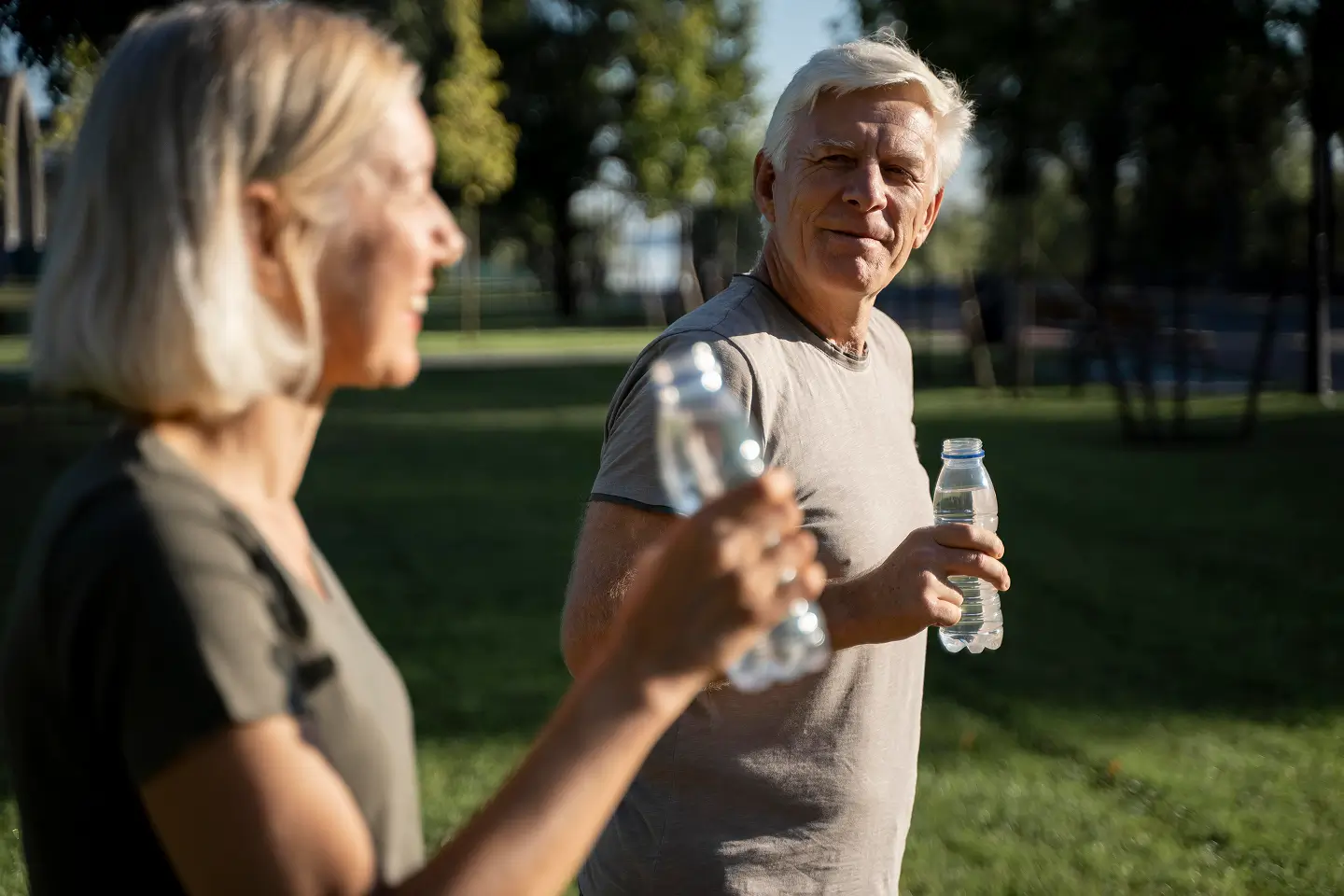
Older adults are at an increased risk of dehydration due to a decreased ability to conserve fluid and/or decreased ability to feel thirsty. The effects of dehydration on older adults' health include urinary tract infections, kidney stones, and the potential for hospitalization. It is important to understand the role hydration plays in older adults' overall health and how to reduce the risk of complications due to dehydration.
Why Hydration Matters
Hydration is critical for a number of reasons: it helps to regulate your body temperature, keeps your blood pressure regulated, and supports healthy kidney function. Additionally, water transports nutrients and oxygen to the cells of the body; supports digestion; and assists in eliminating waste from the body. Families using home care services in PA often prioritize hydration as a key part of daily care.
Risks of Dehydration
Dehydration in seniors can lead to various health issues, including:
- Increased risk of falls due to dizziness or confusion.
- Urinary tract infections and kidney stones.
- Constipation and digestive difficulties.
- Worsening of chronic conditions such as kidney disease, heart disease, and Diabetes.
Signs of Dehydration
Recognizing the signs of dehydration is the first step in preventing it. Some common symptoms include:
- Dry mouth and tongue.
- Reduced urine output, or urine that is darker than usual.
- Fatigue or lethargy.
- Confusion or disorientation.
- Rapid heart rate or low blood pressure.
- Dry, flushed skin.
These risks are especially important to monitor when providing home care services for seniors.
Tips for Ensuring Adequate Hydration
- Encourage Regular Fluid Intake: Older adults should make an effort to keep hydrated by drinking fluids every day, even if he/she doesn't feel thirsty. Setting daily reminders or making a schedule can help them remember to drink fluids.
- Offer a Variety of Liquids: Although the best way to hydrate yourself is through water, you may find that you can also obtain good hydration by drinking other beverages, such as juices, herbal teas, broths (homemade or store-bought), etc.
- Monitor Fluid Loss: Be aware of conditions that can increase fluid loss, such as hot weather, fever, or increased physical activity, and adjust fluid intake accordingly. In some cases, seniors who require continuous supervision may benefit from 24 hour home care services.
- Check for Medication Side Effects: Many medications can cause dehydration. If you are on any medications similar to these types, reach out to your primary care physician so that they can work with you to determine how much fluid intake would be right for you.
- Make Water Easily Accessible: Put a bottle or cup of water close to your reach, especially if you're a senior citizen with difficulty getting around.
How Companion Caregivers Can Help
Companion caregivers play a vital role in preventing dehydration in seniors. They can:
- Provide reminders to drink fluids throughout the day.
- Assist with accessing drinks, especially for those with physical limitations.
- Help with grocery shopping to ensure a supply of hydrating fluids and foods high in water content, such as fruits and vegetables.
For families in Altoona and State College , having reliable companion caregivers can make daily routines like hydration much easier to manage.
Conclusion:
In conclusion, it is critical for older people who want to lead a healthy, live comfortably with appropriate family and/or caregivers support to maintain adequate hydration levels using appropriate methods/techniques with the help of PA home care and professional companion care services for seniors.